Field method · evidence before style
Read a facade in six passes
Naming a style too early can stop observation. Six passes keep the eye moving from large structure to small change, while the building remains connected to climate and use.
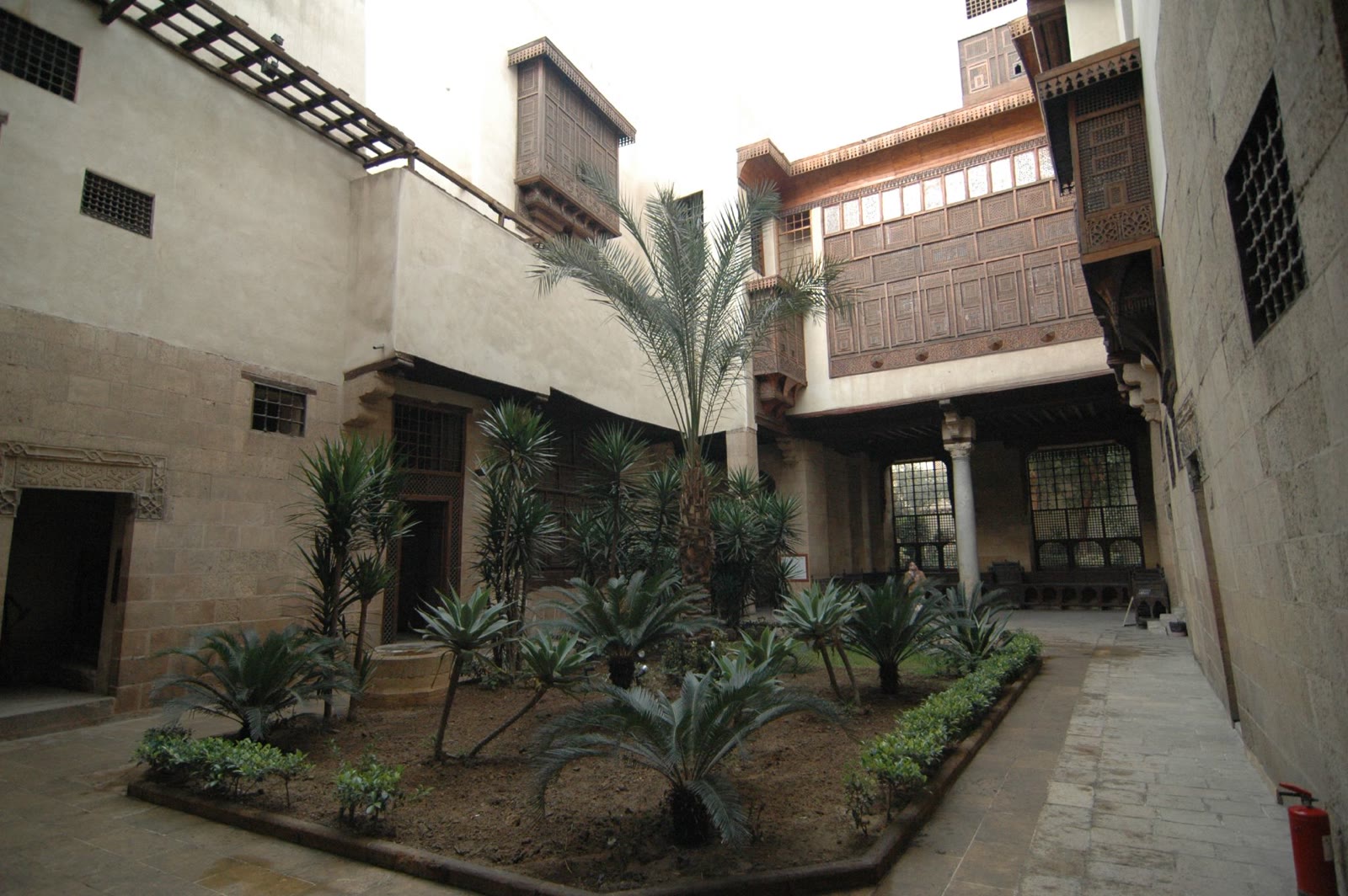

Pass one: mass and void
Squint or imagine the facade as a black-and-white diagram. Separate solid wall from openings, open ground and sky. Is the surface mostly continuous, repeatedly perforated or organized around one large void? This first pass records composition without being distracted by detail.
Draw a simple rectangle and fill the largest openings. It does not need to be pretty. If the diagram already feels different from the building, you may have mistaken shadow for an opening or ignored a projecting volume.
Pass two: depth
A facade is not a flat picture. Look for recessed doors, projecting screens, deep window reveals, arcades, ledges and overhangs. Note which element stands closest to you and which sits deepest. Side light often makes these layers easier to see.
Depth explains how the surface creates shade and transition. It also connects the visible front to rooms and passages beyond without requiring entry.
Pass three: material
Identify the largest material families you can support by observation: stone, fired brick, earth, plaster, timber or metal. Avoid certainty when a coating hides construction. “Pale plastered surface” is more accurate than guessing the wall core.
Look at joints and edges. Materials reveal themselves where they meet, weather or have been repaired. Never scrape, tap or touch a protected surface to test a theory.
Pass four: climate response
Ask where the facade manages sun, air and heat. Shade may come from wall thickness, projection, arcades or vegetation. Openings may be large, small, screened or positioned at different heights. Avoid claiming that one element passively “solves” climate; describe the evidence and remember that operation and maintenance matter.
Pass five: change
Find one repair, blocked opening, replacement, cable, paint layer or worn threshold. A facade is an accumulation, not only an original design. Later changes can reveal new needs, material failure, conservation work or ordinary adaptation.
Do not automatically rank the oldest-looking surface as most authentic. Continued use often requires intervention. Record what changed before judging whether it succeeds.
Pass six: use and boundary
Finally, observe how people approach and use the edge. Which door functions as the entrance? Where does circulation gather? What is private, sacred, controlled or clearly public? This pass prevents architecture from being separated from ownership and conduct.
The six-line notebook
- Solid versus open.
- Closest versus deepest layer.
- Visible material and uncertain material.
- Source of shade or air movement.
- One repair or later change.
- Current use and the boundary you will respect.
Finish with a relationship
Do not finish by assigning a score. Write one sentence that connects two passes: “the projecting wooden screen deepens the facade and shades an upper opening,” or “the repaired earthen edge reveals both wall thickness and weather vulnerability.” A relationship is more transferable than a list of features.
The method works from a legitimate public viewpoint and accepts uncertainty. If an interior, roof or private courtyard is inaccessible, the reading is not incomplete. A facade exists precisely because it mediates what can and cannot be seen.