Field method · image and boundary
Photograph architecture with respect
A facade may be visible from the street, but the people, thresholds and activities around it retain their own boundaries. The best composition never overrides access or consent.
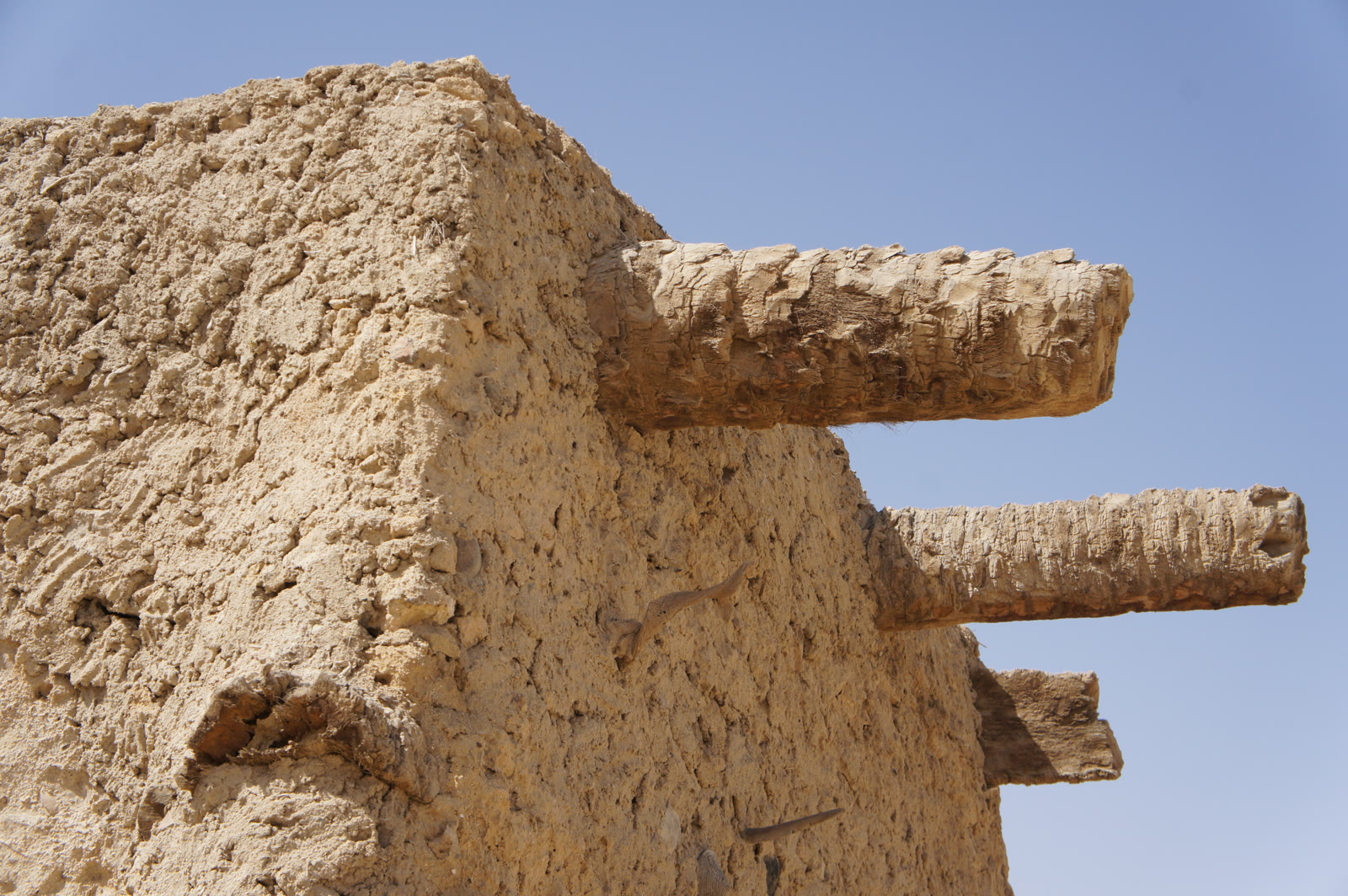

Separate visibility from access
Being able to see a doorway, courtyard or roof does not establish permission to enter, climb or photograph through it. Confirm current site rules, remain on legitimate public routes and treat barriers as information. A low wall is still a boundary; an open door can still lead to a private home.
Choose a composition that works from where you are allowed to stand. If it does not, release the image. Changing the lens or accepting a partial view is preferable to changing the boundary.
People are not scale devices
Architectural photography often uses a figure to show size. That convention does not make an unasked resident, worker, worshipper or child available as a visual prop. If a person is identifiable and central to the frame, seek clear consent where appropriate and possible. Respect refusal immediately.
Waiting for an empty frame can also be disruptive if it blocks circulation or pressures people to move. Let the actual use of the space determine whether the photograph happens.
Do not stage material
Never move objects, lean on screens, open doors, scrape surfaces or climb fragile fabric to clarify construction. Earthen edges, old timber and plaster can be vulnerable even when they look substantial. A hand placed “for scale” may cause wear and teaches the wrong relationship to the building.
Use shadows, joints and existing openings as evidence. If a structural detail is not visible from the route, record the uncertainty instead of manufacturing access.
Protect shared space
Tripods and wide-angle positioning can occupy more room than the photographer realizes. Keep entrances, prayer circulation, narrow passages and shaded resting areas open. At an active sacred place, photography may be limited or inappropriate even where architecture is historically significant.
Sound matters. Repeated directions, loud equipment handling and group staging change the atmosphere for everyone else. Work quietly and briefly.
The frame test
- Am I standing on a legitimate current route?
- Does the frame look into private or controlled space?
- Are identifiable people subjects without consent?
- Am I blocking an entrance, path, shade or worship?
- Would the image require touching or moving anything?
- Can a smaller, partial frame tell the architectural story?
Caption what you know
A respectful image can still mislead if its caption invents use, age or ownership. Identify the place only to the level supported by the source. Distinguish observation from interpretation: “exposed palm beams within an earthen wall” is different from a claim about the exact construction date.
Keep creator and licence information when reusing open images, and remember that an open licence applies to the photograph, not necessarily to privacy, property, cultural or access questions in every context.
Leave a smaller footprint
Photography should not be the event that a site or community must absorb. One careful frame, made from an appropriate place, is often stronger than a complete visual inventory. It can focus on a shadow line, a repaired joint or the relation between screen and wall without including people at all.
If current instructions prohibit photography, put the camera away. A sketch and written description can preserve architectural understanding while respecting the place. Observation does not depend on possession of an image.